
David's Story


Support.
Healthcare.
Independence.
For David, living life offline was impacting his ability to cope with chronic illness.
People with long-term health conditions report some of the highest rates of digital exclusion.
Mobility issues, unemployment, and financial pressure all increase the risk of exclusion.


David is 55 and lives with Chronic Obstructive Pulmonary Disease and fibromyalgia. Frequent hospital visits and limited mobility made employment impossible, and he now relies on disability benefits. His old laptop stopped working years ago, leaving him cut off from online health support, online grocery shopping, and social contact.
People with life-limiting or chronic health conditions often face:
mobility limitations
high costs associated with medical care
fatigue that makes in-person tasks overwhelming
Digital access can dramatically improve daily life, but it’s often out of reach.
Without digital access, David had to rely on:
long phone waits to book appointments
neighbours to help with shopping and medication deliveries
paper forms he struggled to complete due to joint pain
The Challenge


David felt increasingly dependent and frustrated, and his health suffered as a result.
"I was reliant on the goodwill of other people for everything; from getting to appointments to buying a pint of milk."


David received a refurbished laptop with enlarged display settings for ease of use. A digital skills trainer helped him feel confident using it, talking him through topics such as:
quick-access links for GP, hospital and pharmacy services
staying safe online
managing online grocery orders
a simple note-taking app to manage symptoms and medication
How we helped


Change a life today
Your support can help people with life-limiting or chronic illnesses find more enjoyment, independence and satisfaction in life.
Donate laptops to support people like David
Partner with us to sponsor devices and training
Apply for a laptop for yourself, for a loved one or for someone you're supporting.
David now:
attends video consultations
shops online independently
manages prescriptions and medical records
connects with online support groups for people with chronic illness
feels more in control of his condition

Life with a laptop
“I use it for obvious things like online appointments and grocery shopping. I've joined support groups too, and met people who understand me.”
David told us the laptop “gave him his independence back”.
Social value of reuse
Using HACT Social Value Insights, the social value generated through David's refurbished laptop is
£63,600
Case studies are based on real beneficiary journeys. Some names and identifying details have been altered to protect confidentiality, but each story represents the genuine challenges faced by the communities we serve.
Related stories
Digital exclusion affects people from all walks of life, for all sorts of reasons. Whatever the circumstances, Tech-Takeback Foundation is here to help, with laptops and support packages that are as individual as the people they're designed to support.


Aaron's laptop helped him train and apply for new jobs, and his children thrive at school.
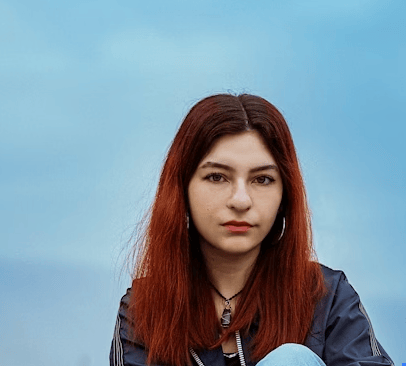
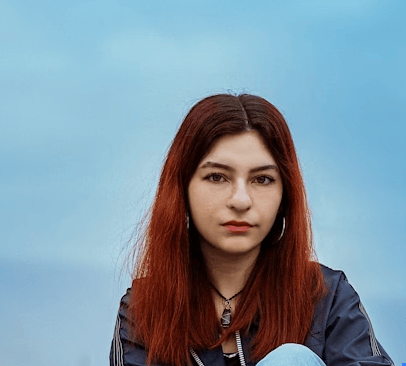
For Chloe, a young care leaver, a laptop was a passport to independent living.
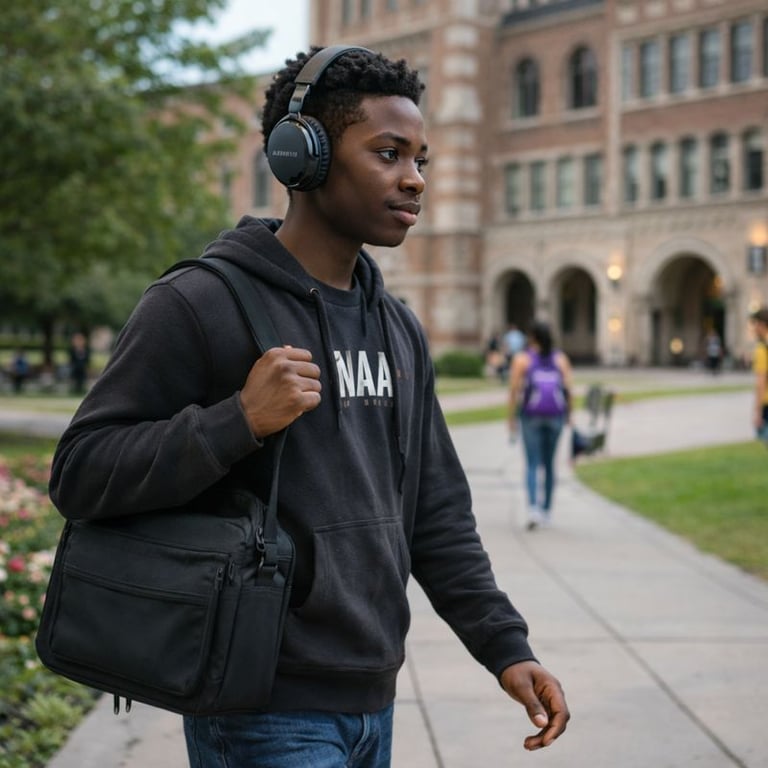
Harper, who is autistic, used his laptop to help him navigate life at university.
Who
Tech-Takeback Foundation:
Tech reuse for digital inclusion
info@techtakebackfoundation.org.uk
A charity registered in England and Wales: 1216426
Policies
Stay connected
© 2025. All rights reserved.